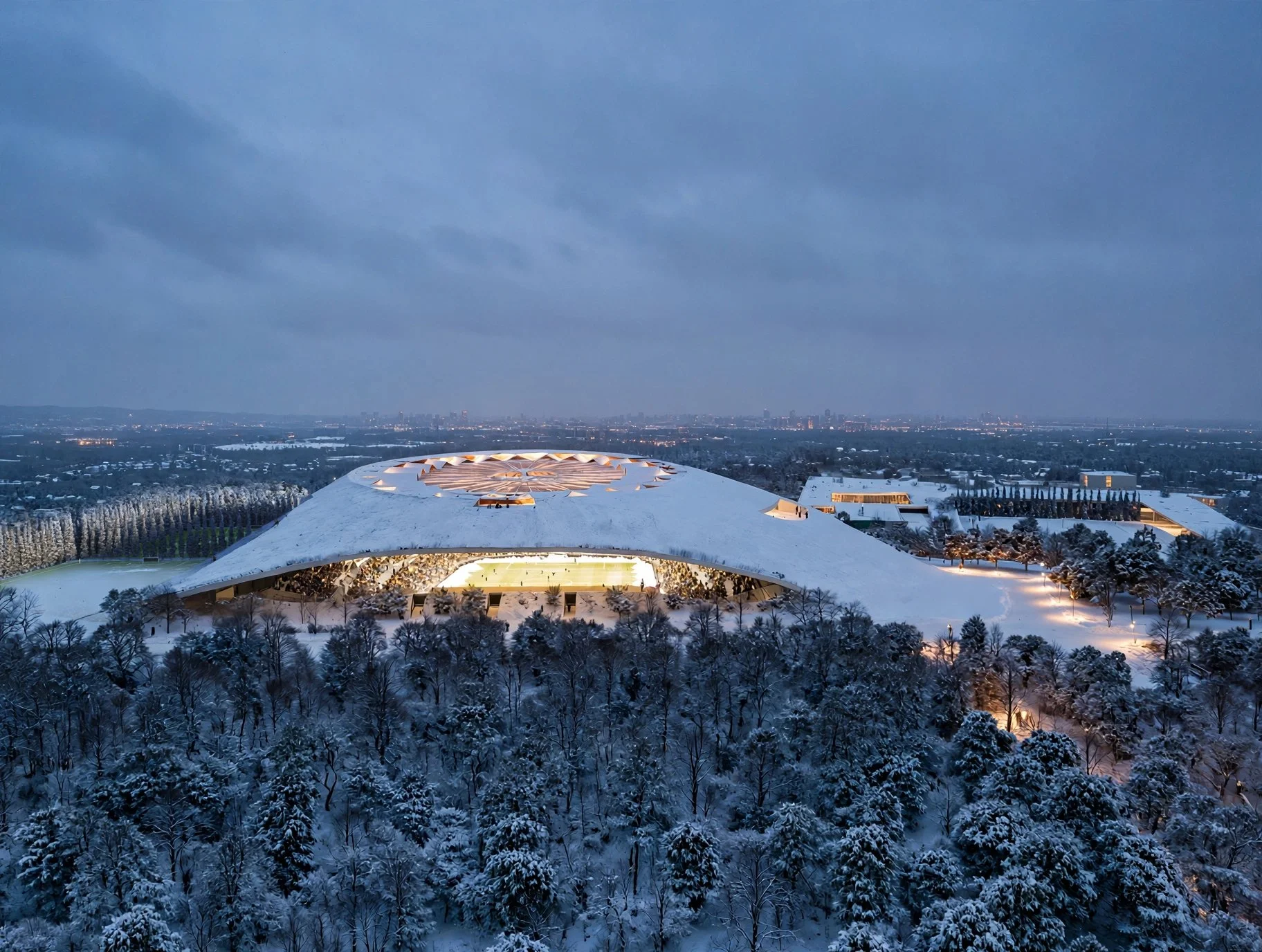
CBA unveils its proposal for the Zagreb International Stadium Competition
CBA is proud to present its proposal for the Zagreb International Stadium Competition, developed together and in collaboration with a dream team with PAD, Arbanas, TER, TESS , Janodet.
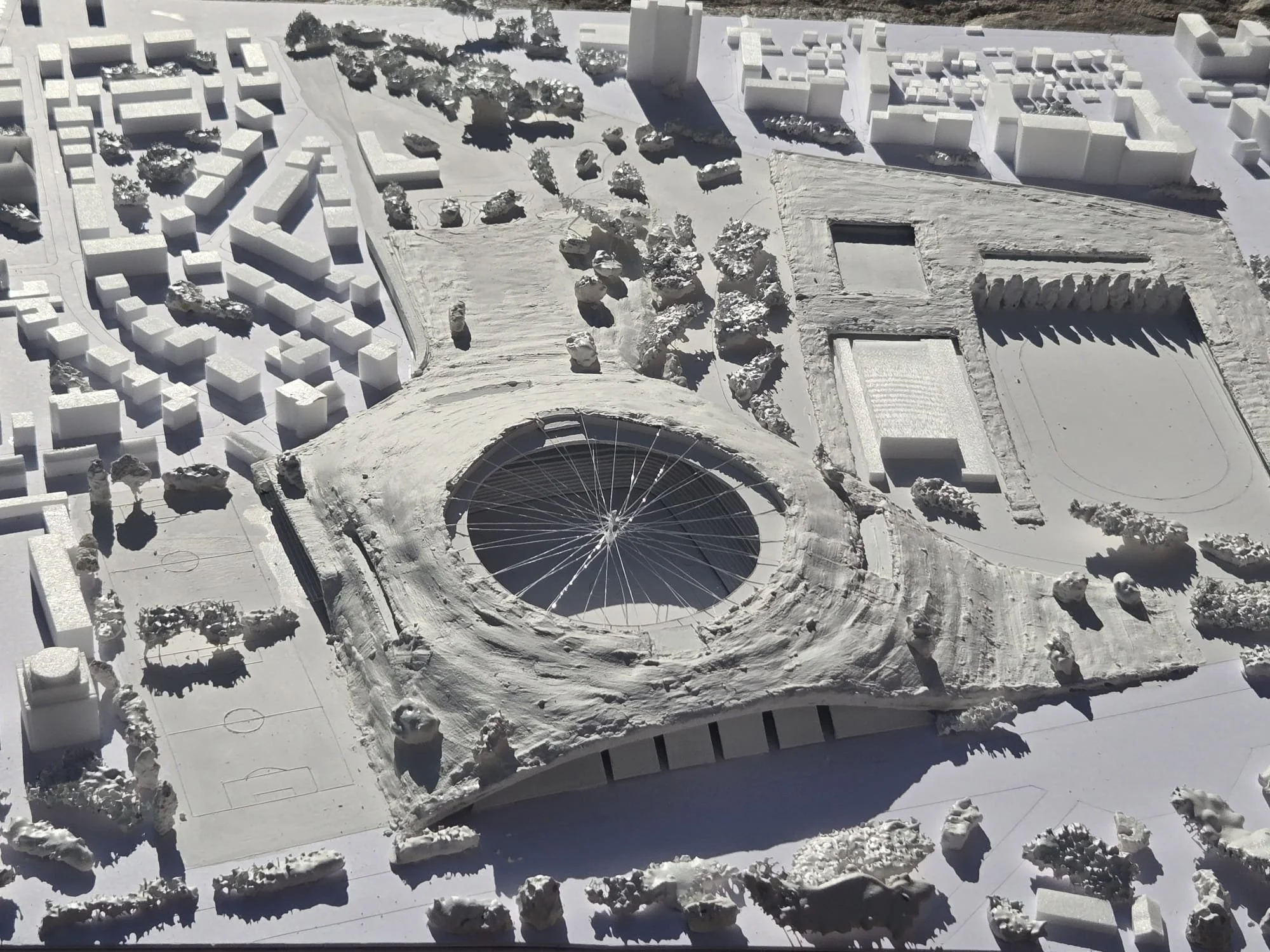
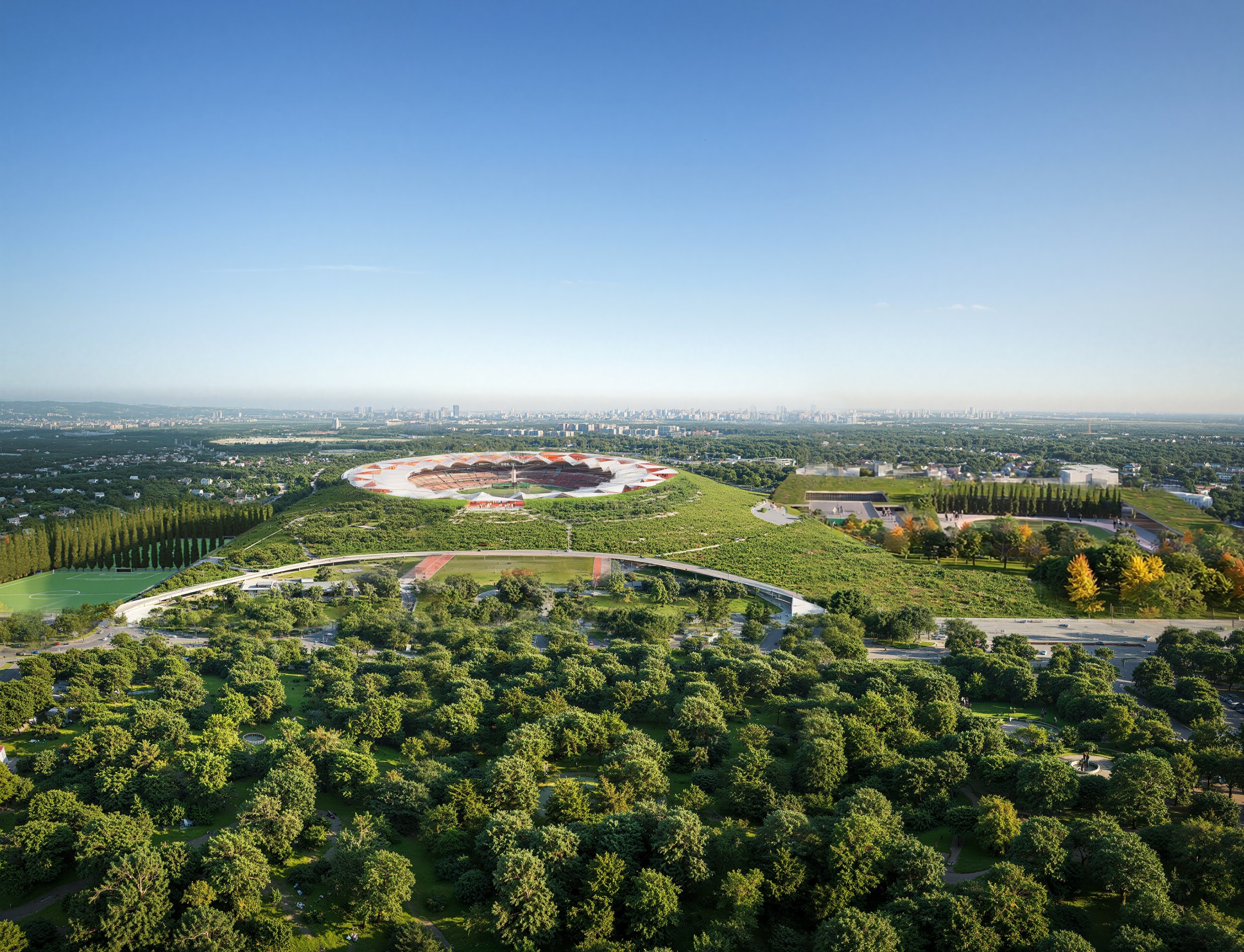
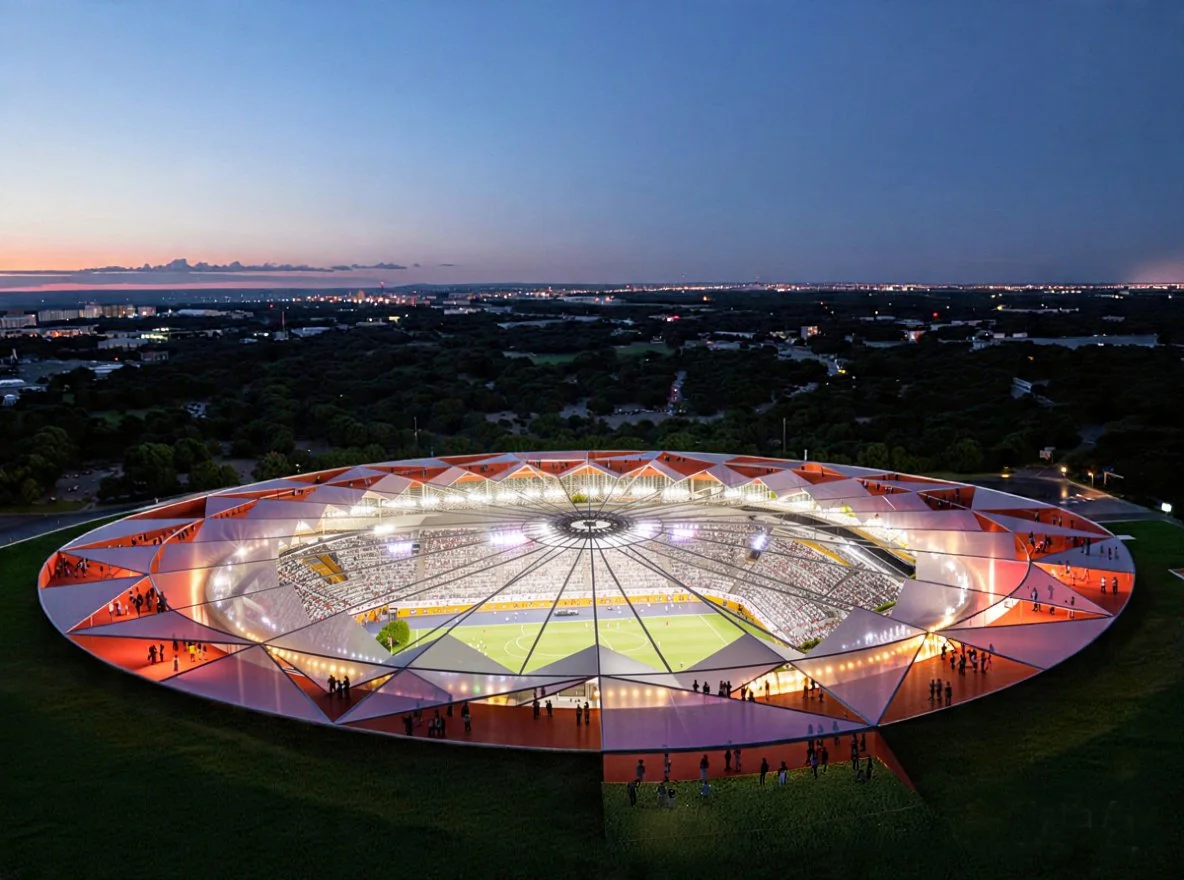
The project extends CBA’s ongoing research into the contemporary stadium, following the soon-to-be-completed Red Star Stadium in Paris. Rather than approaching the stadium as an isolated object, the Zagreb proposal investigates how such a large-scale infrastructure can generate city, landscape and collective life.
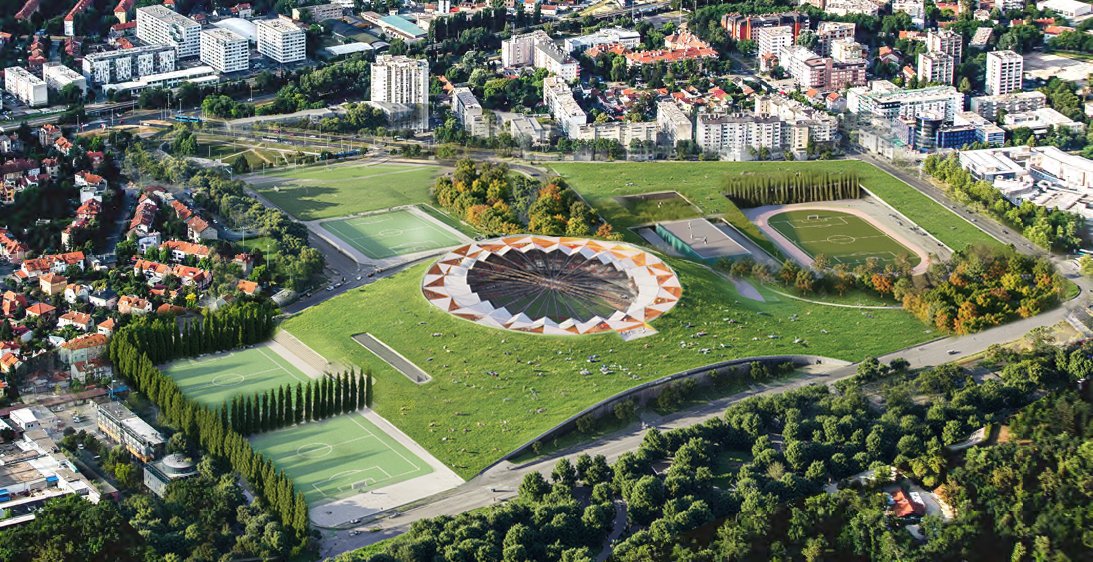
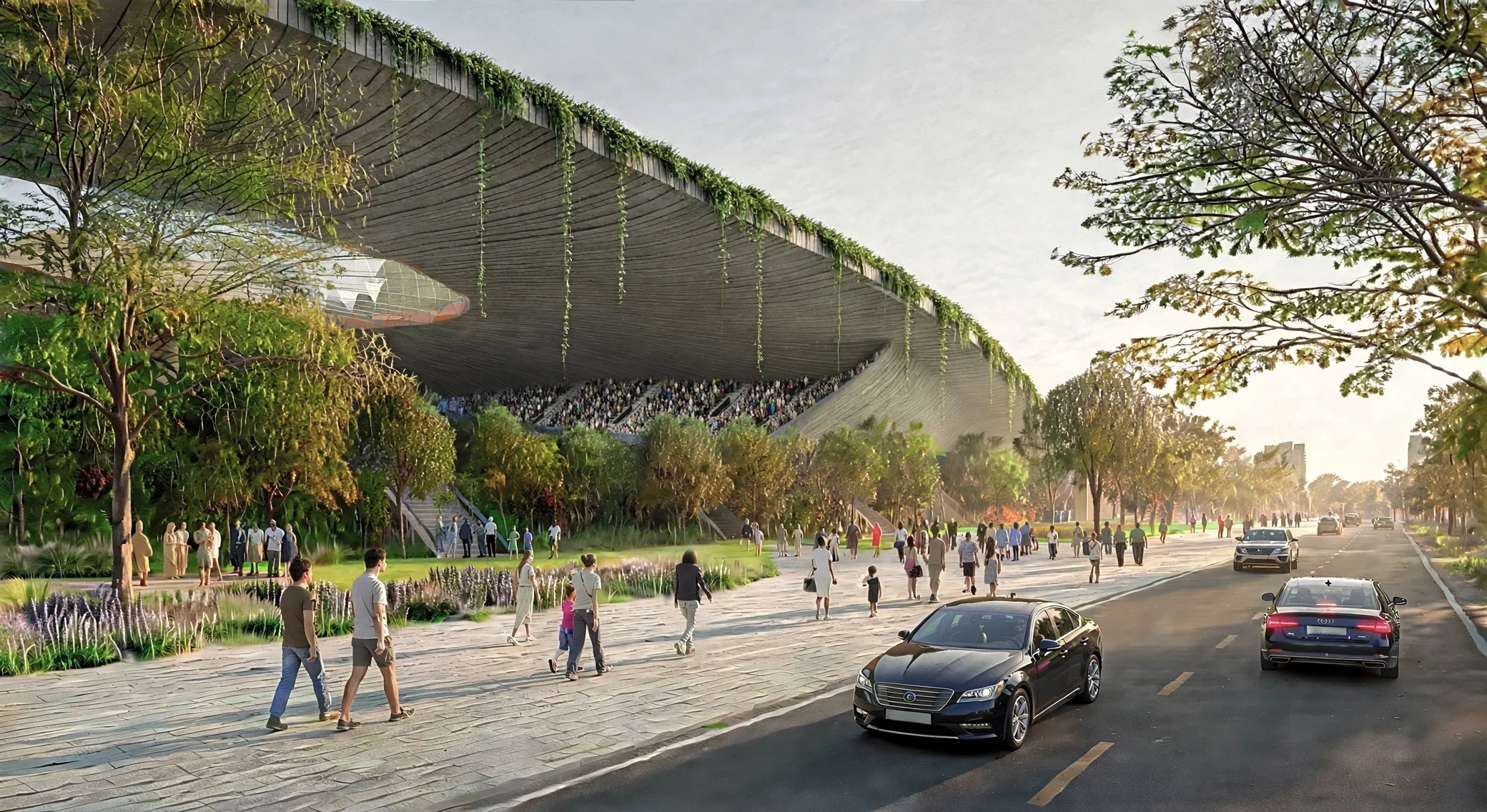
The project is driven by the specific forces of the site: its metropolitan edges, existing green structure, infrastructure, movements and views. Instead of imposing a singular architectural figure, the proposal transforms these conditions into the project itself.
“Our ambition was not to design another autonomous stadium, but to understand how a stadium could become a piece of territory — something capable of extending the city, amplifying the landscape and generating new public experiences.”
— Clément Blanchet
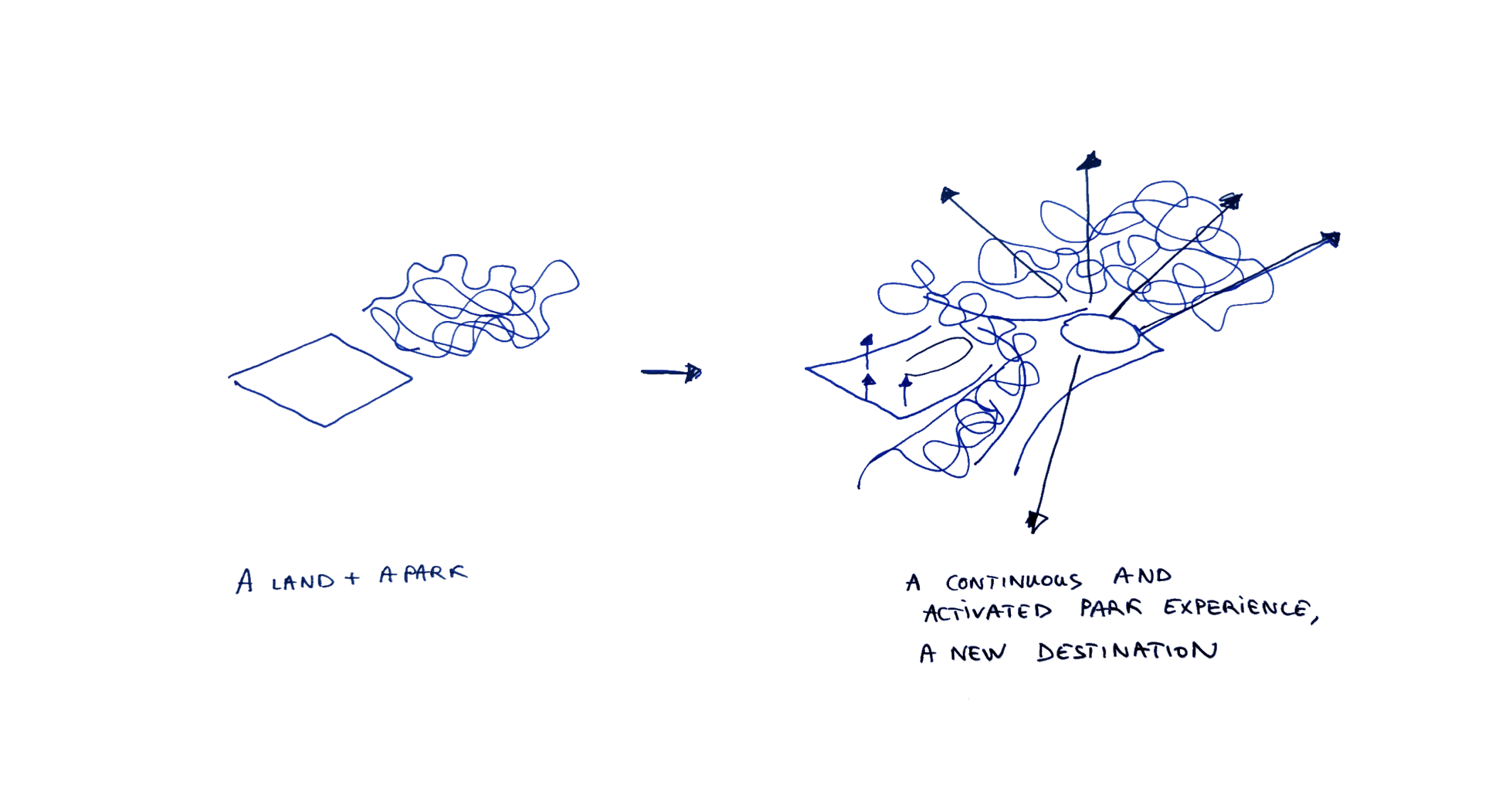
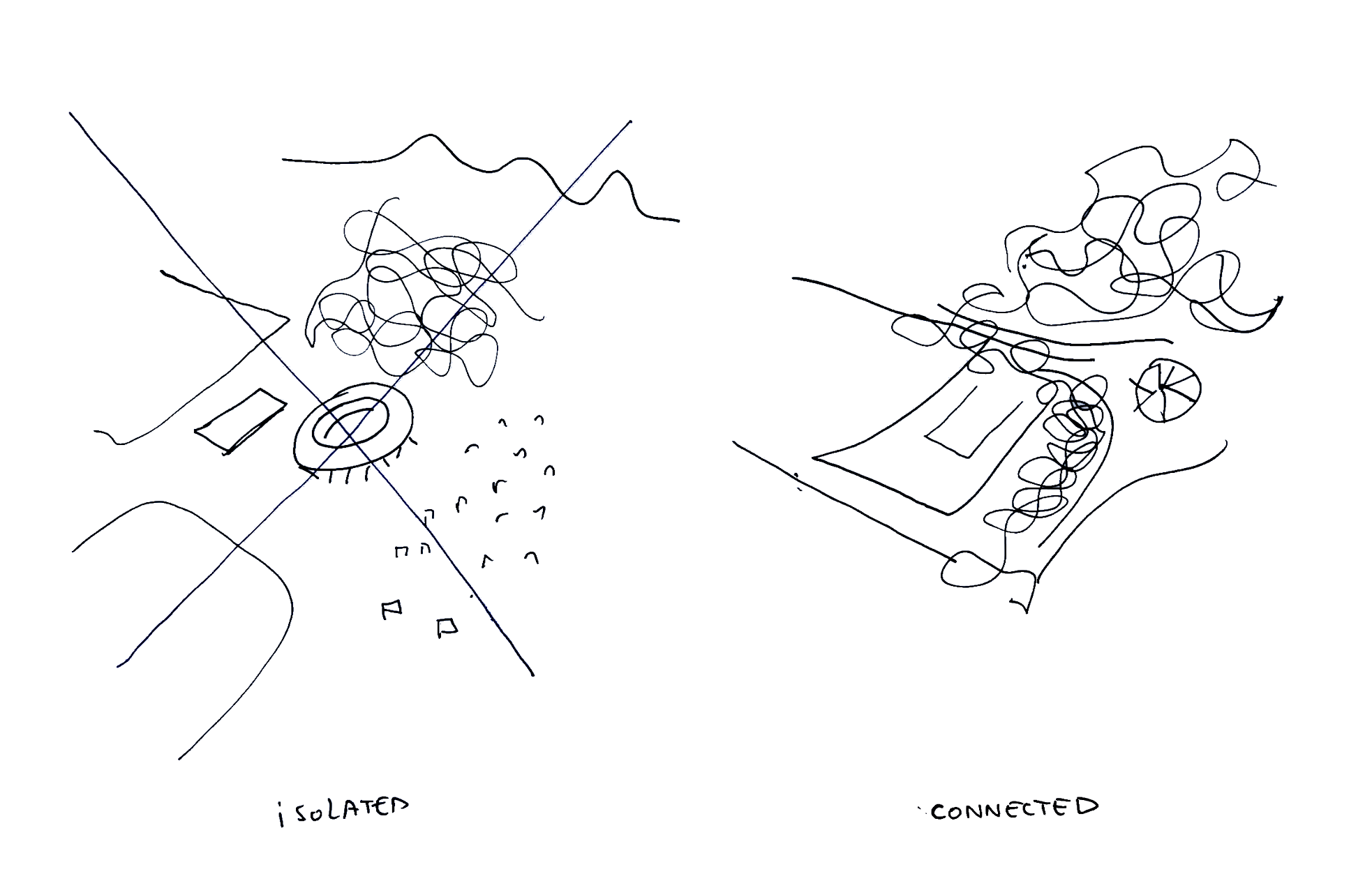
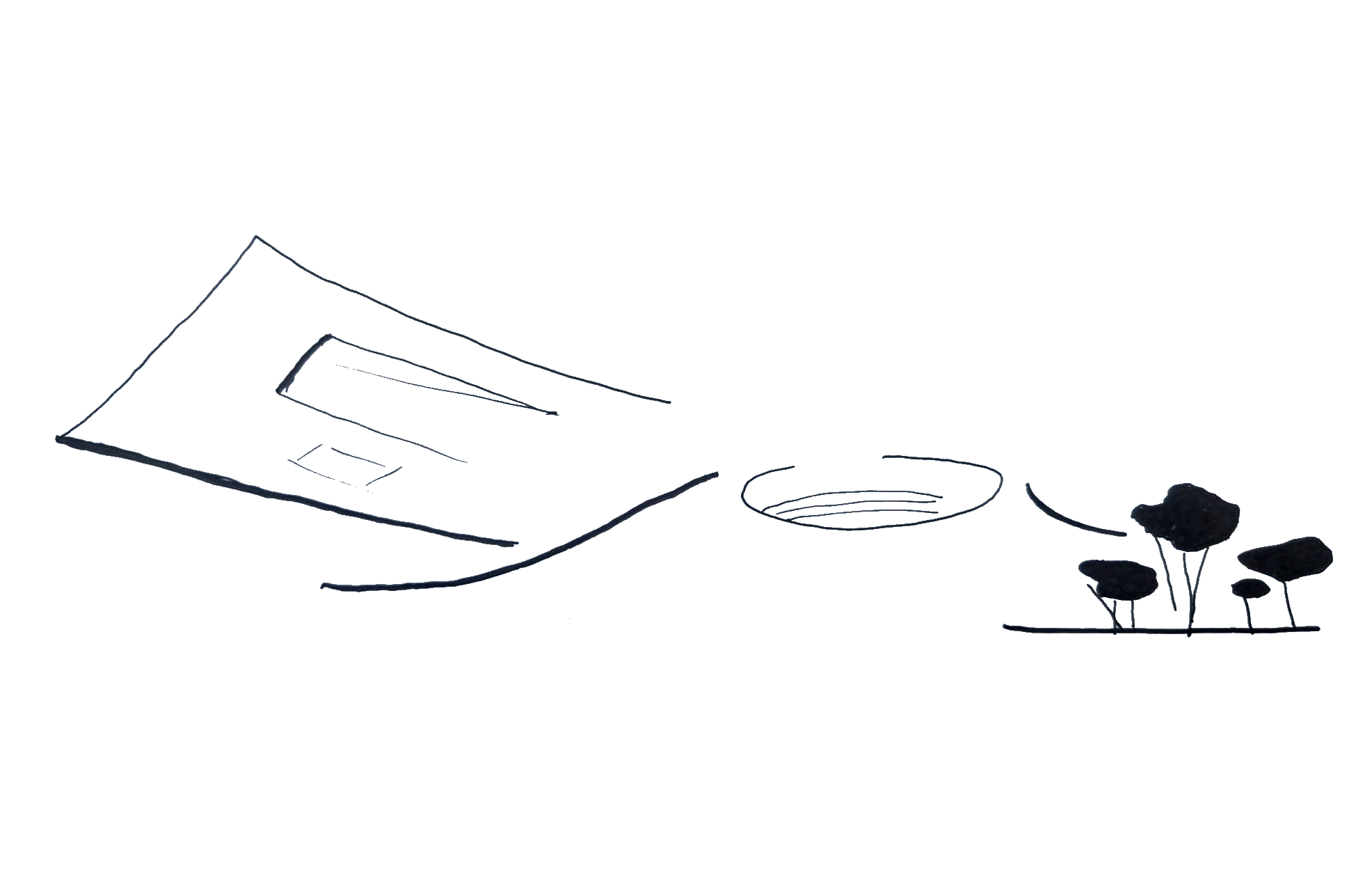
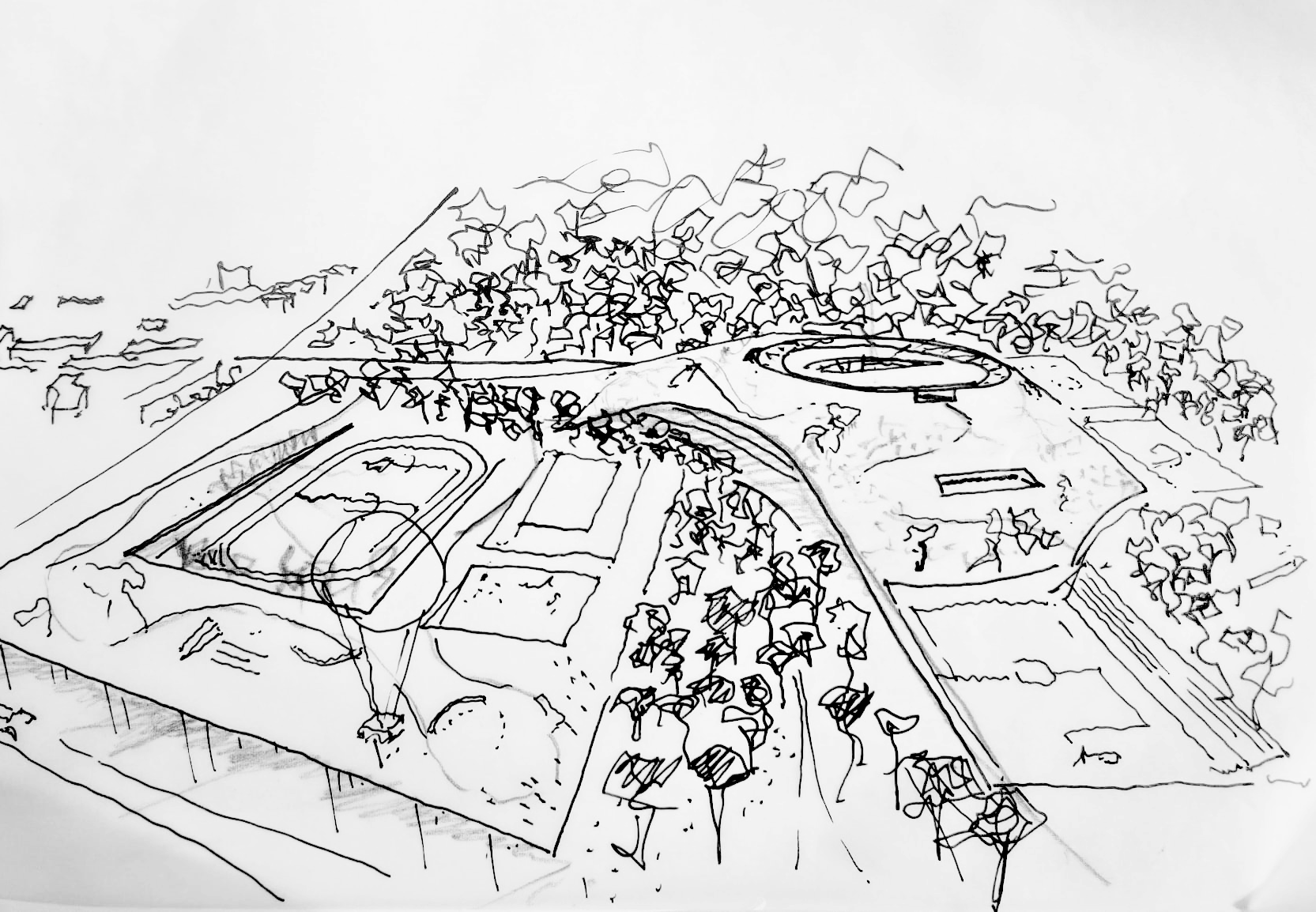
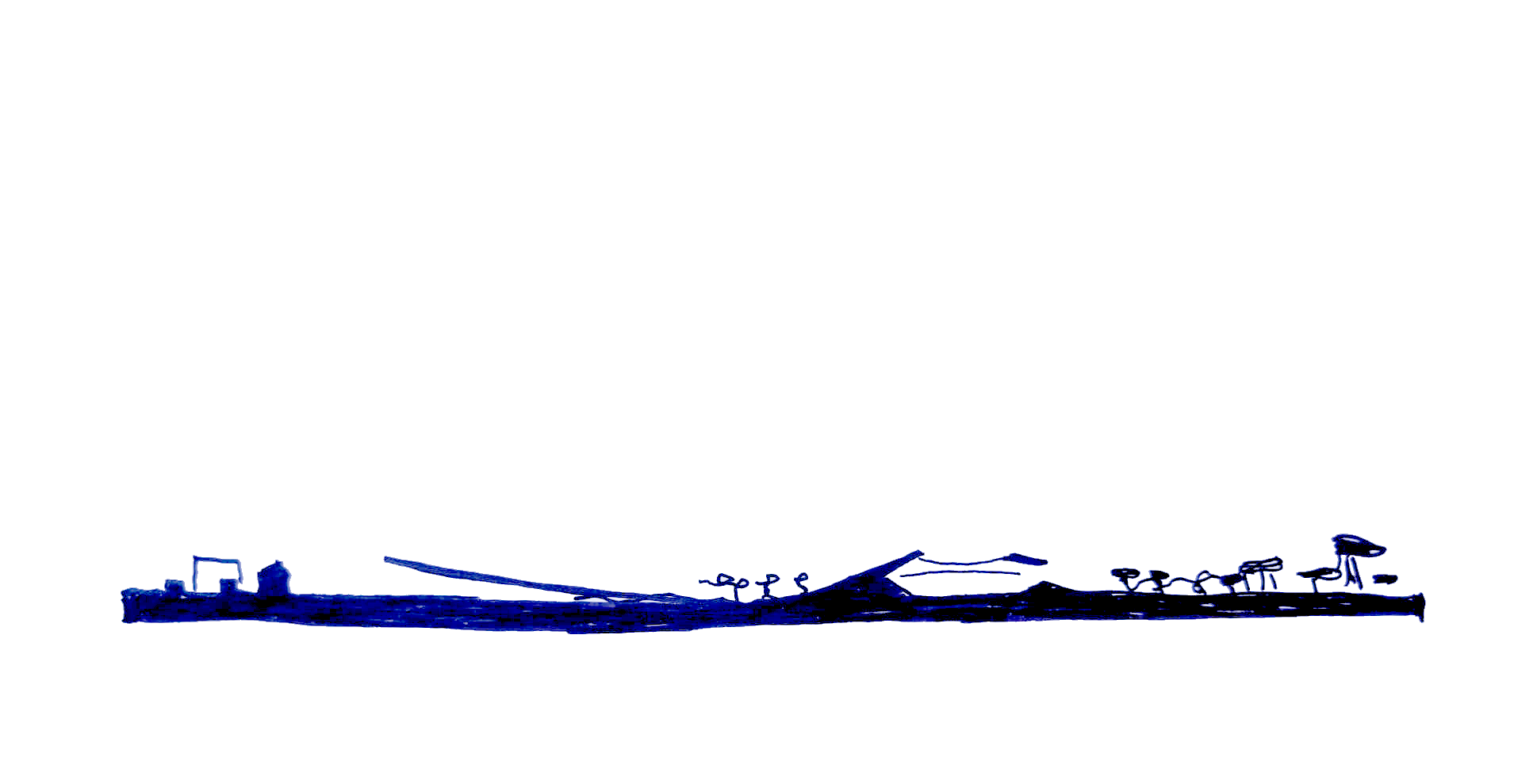
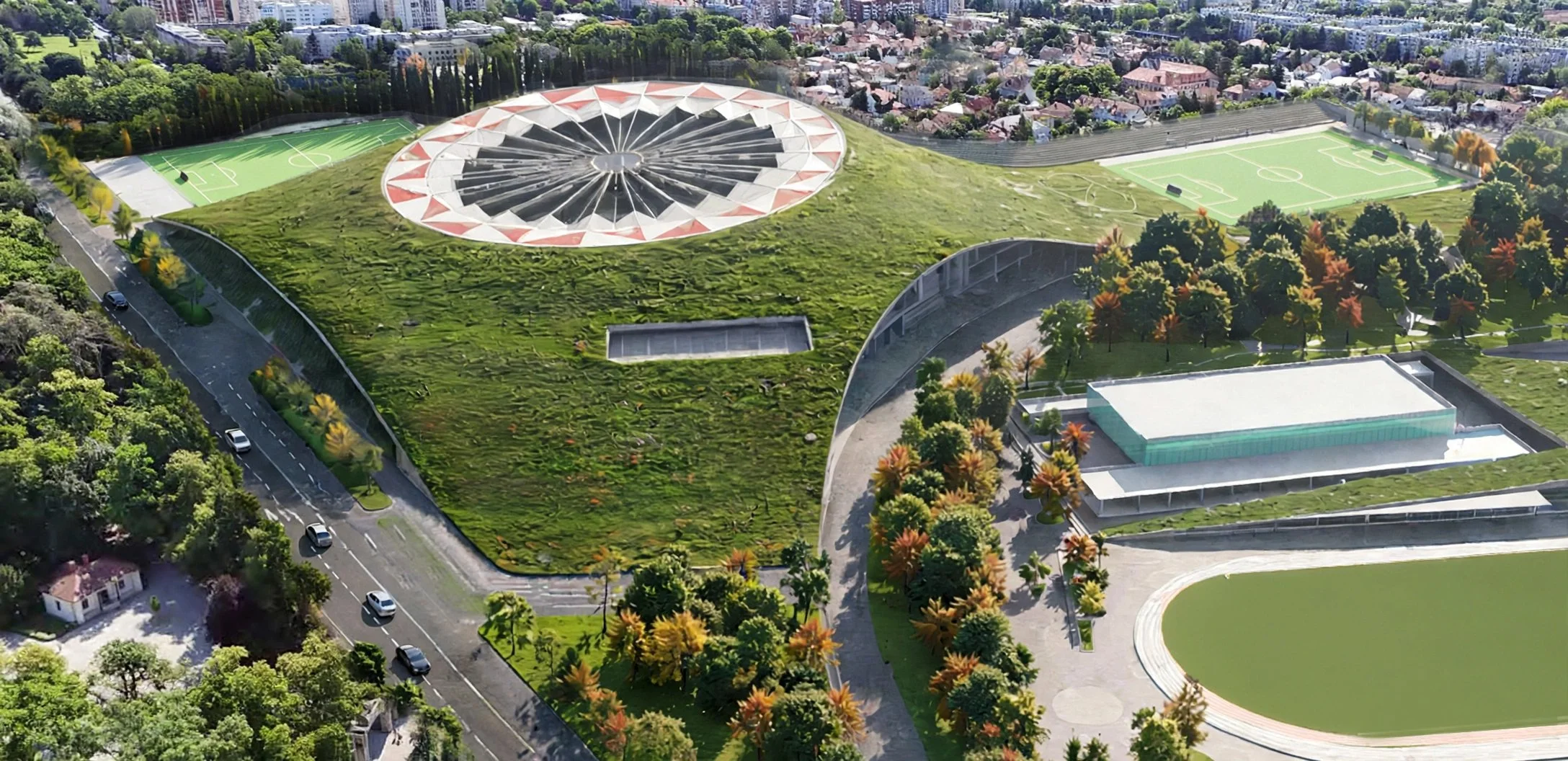
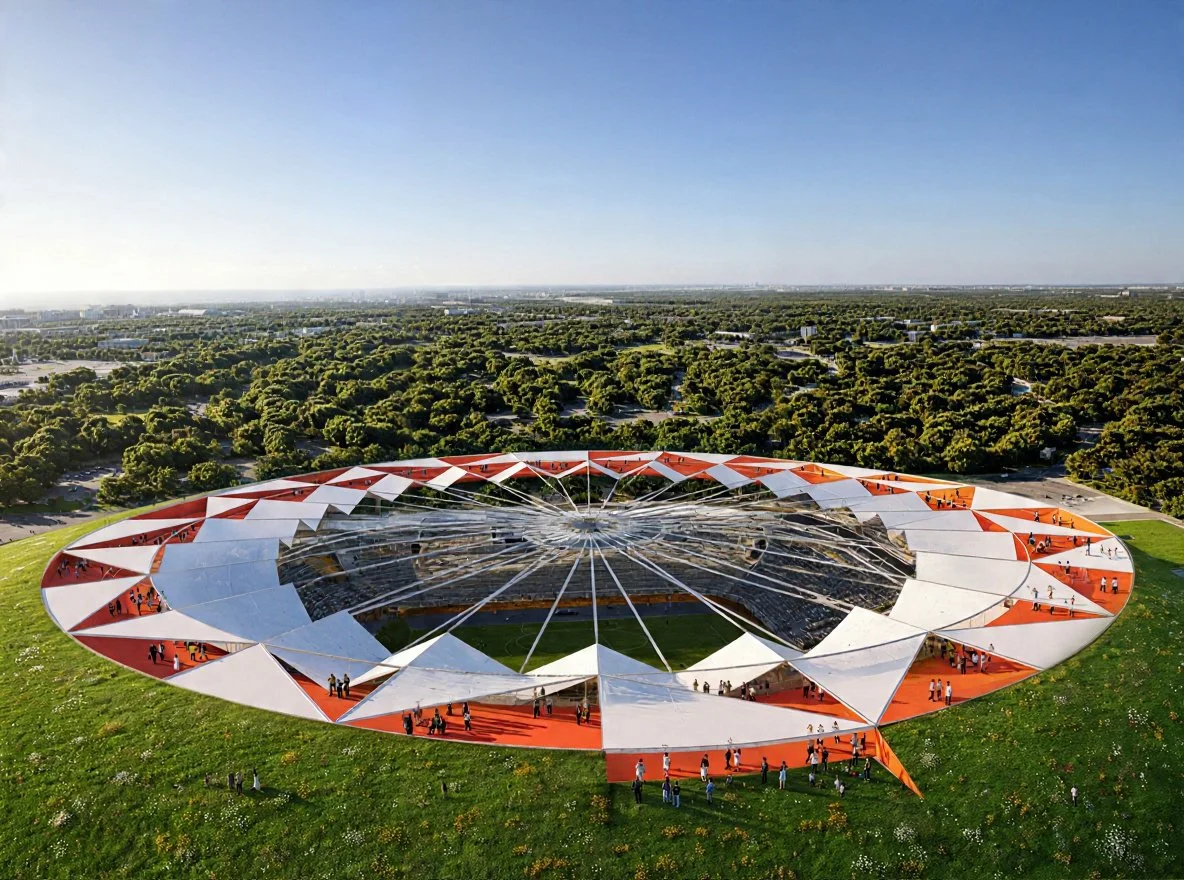
The design questions the traditional stadium as a closed and self-centred architectural object. Through a series of territorial operations, the ground is lifted, the park is extended and the stadium is transformed into an inhabited topography.
The result is less an object placed in the landscape than a landscape shaped by architecture.
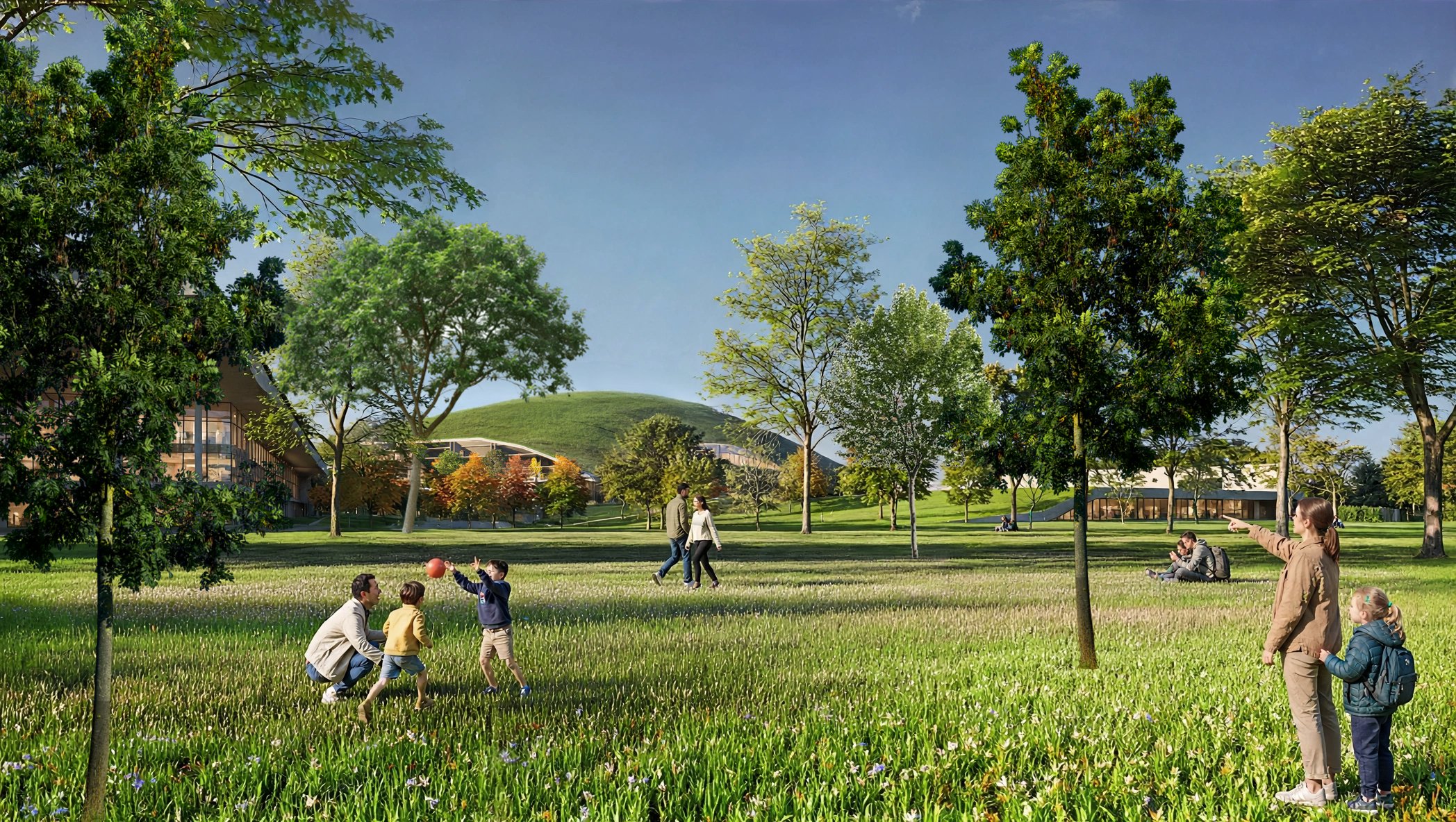
Multiple routes, entrances and public sequences connect the project to its surroundings. The stadium is conceived not only for the intensity of matchday, but also for everyday use — as a place to walk, gather, play, observe and experience the city from a new point of view.
“We wanted to move away from the idea of the stadium as a selfish architectural figure. The architecture should not simply represent itself. It should create relationships — between the field and the city, between infrastructure and landscape, between major events and everyday life.”
— Clément Blanchet
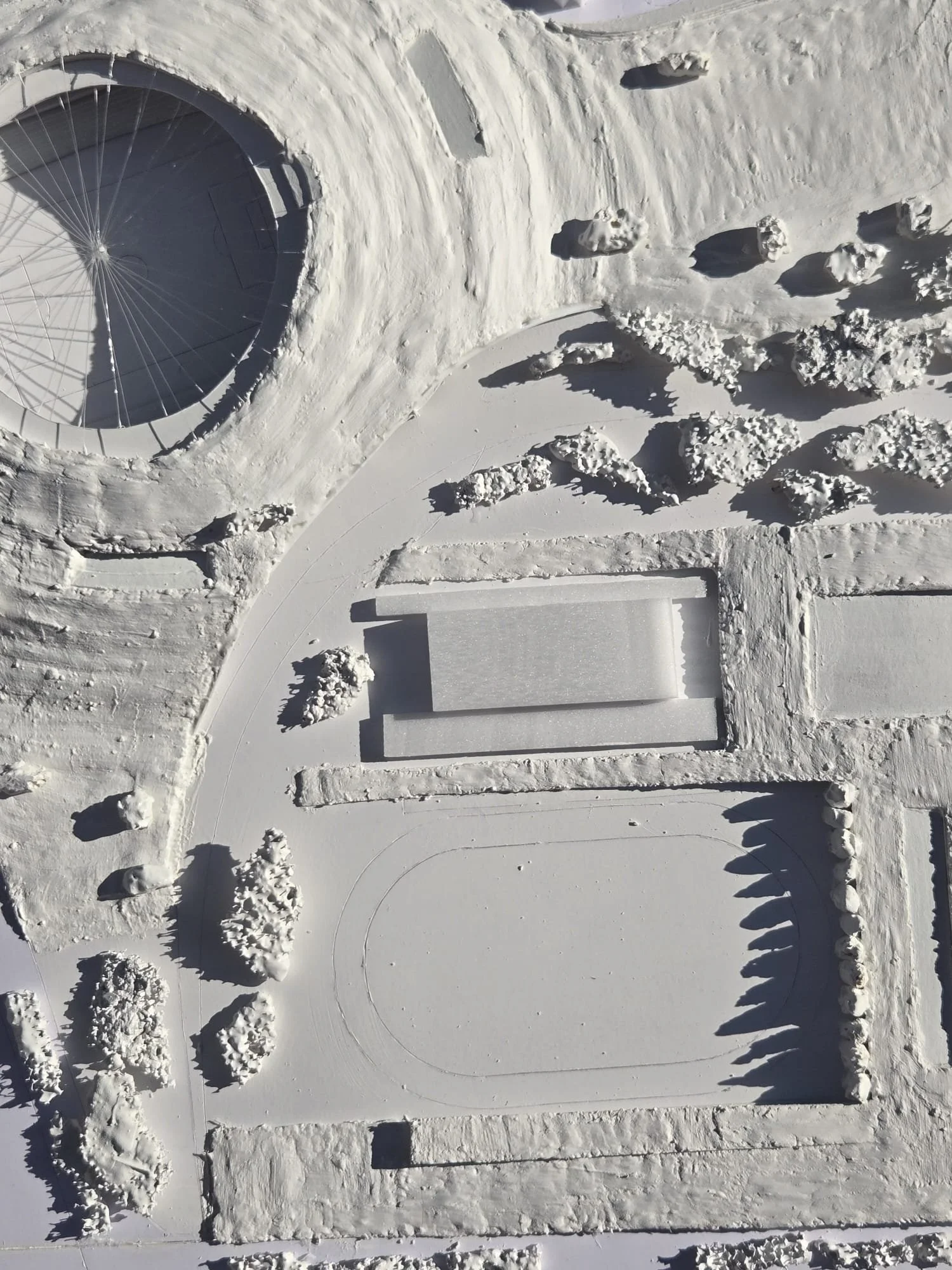
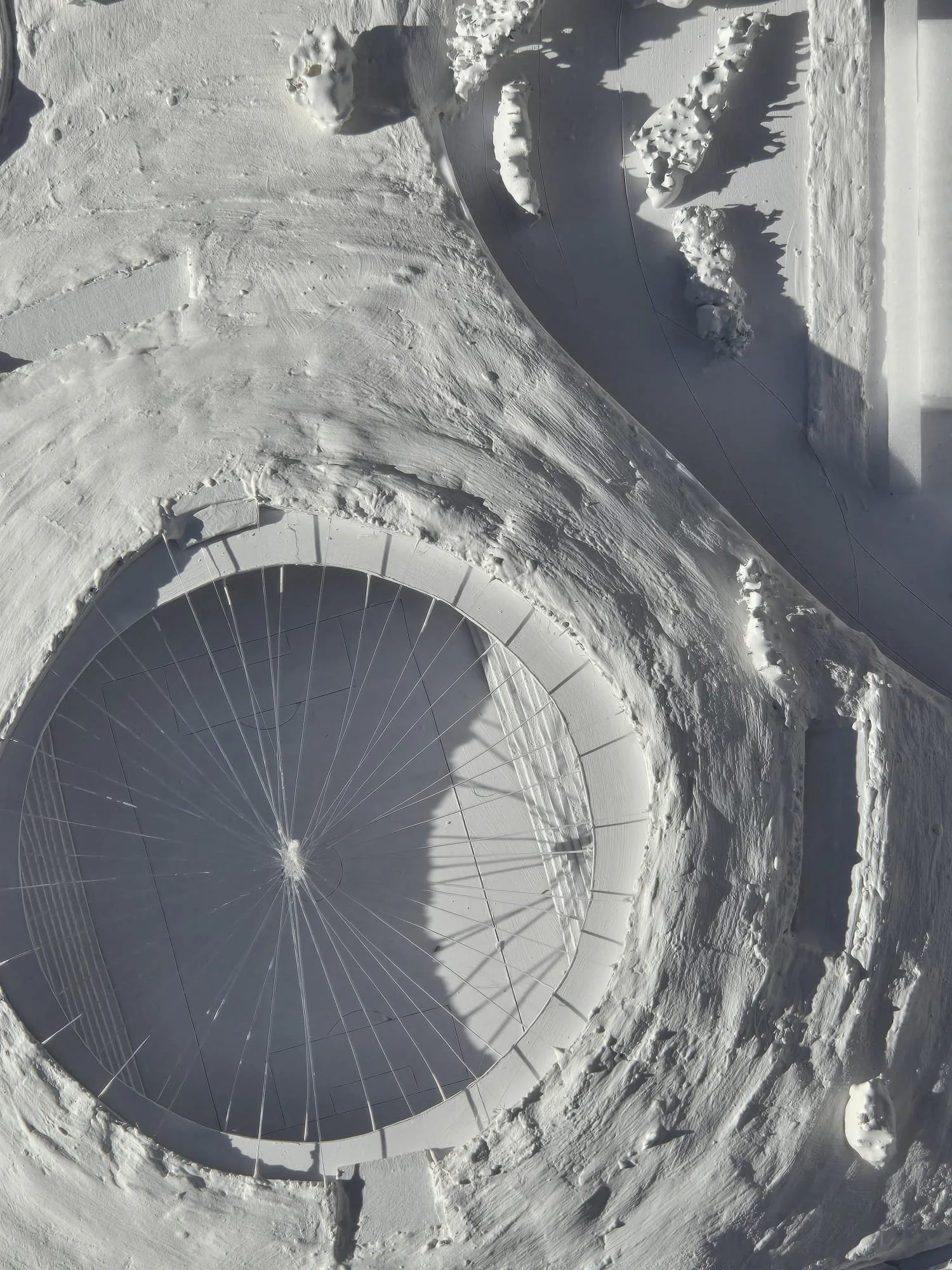
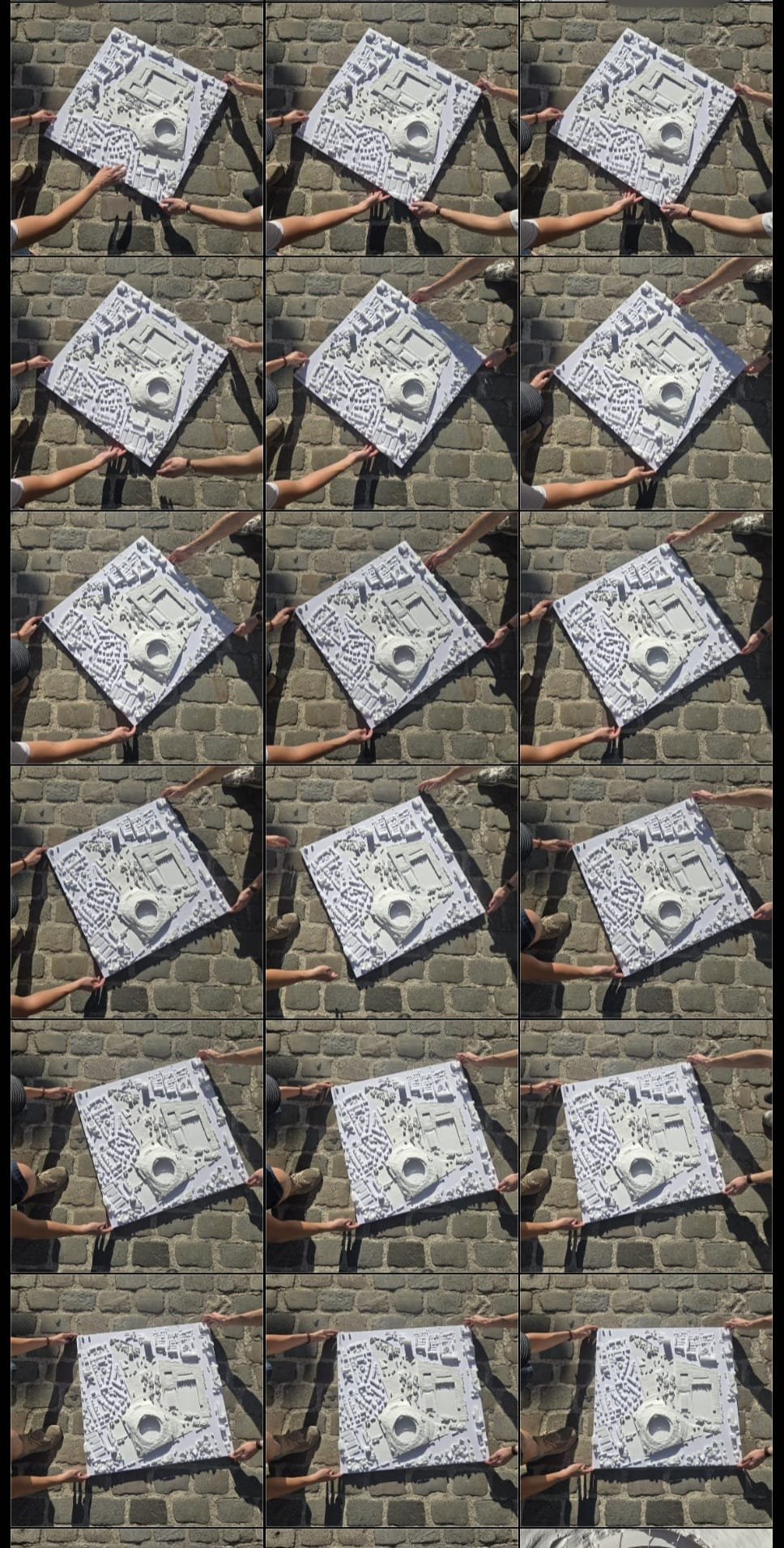
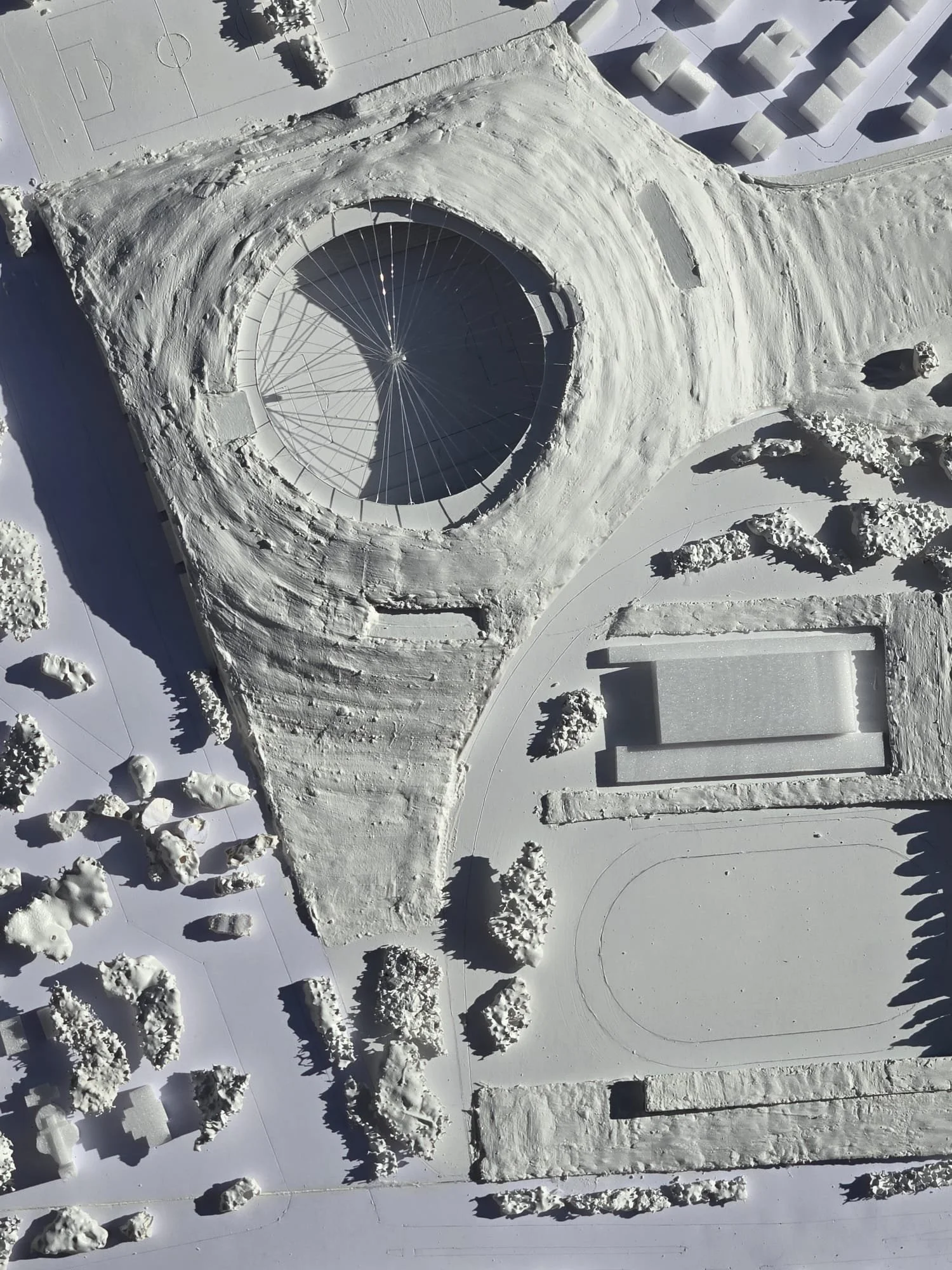
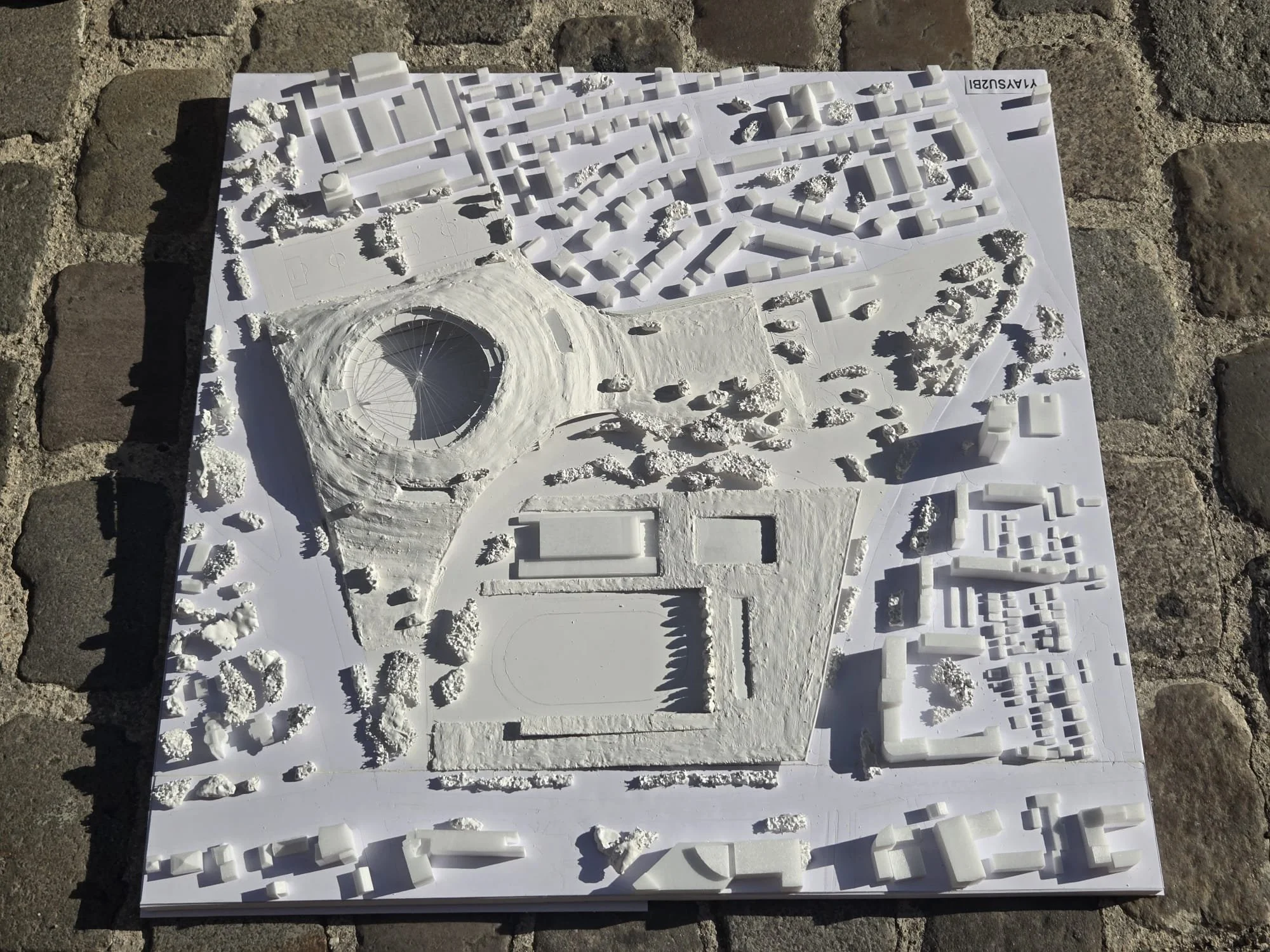
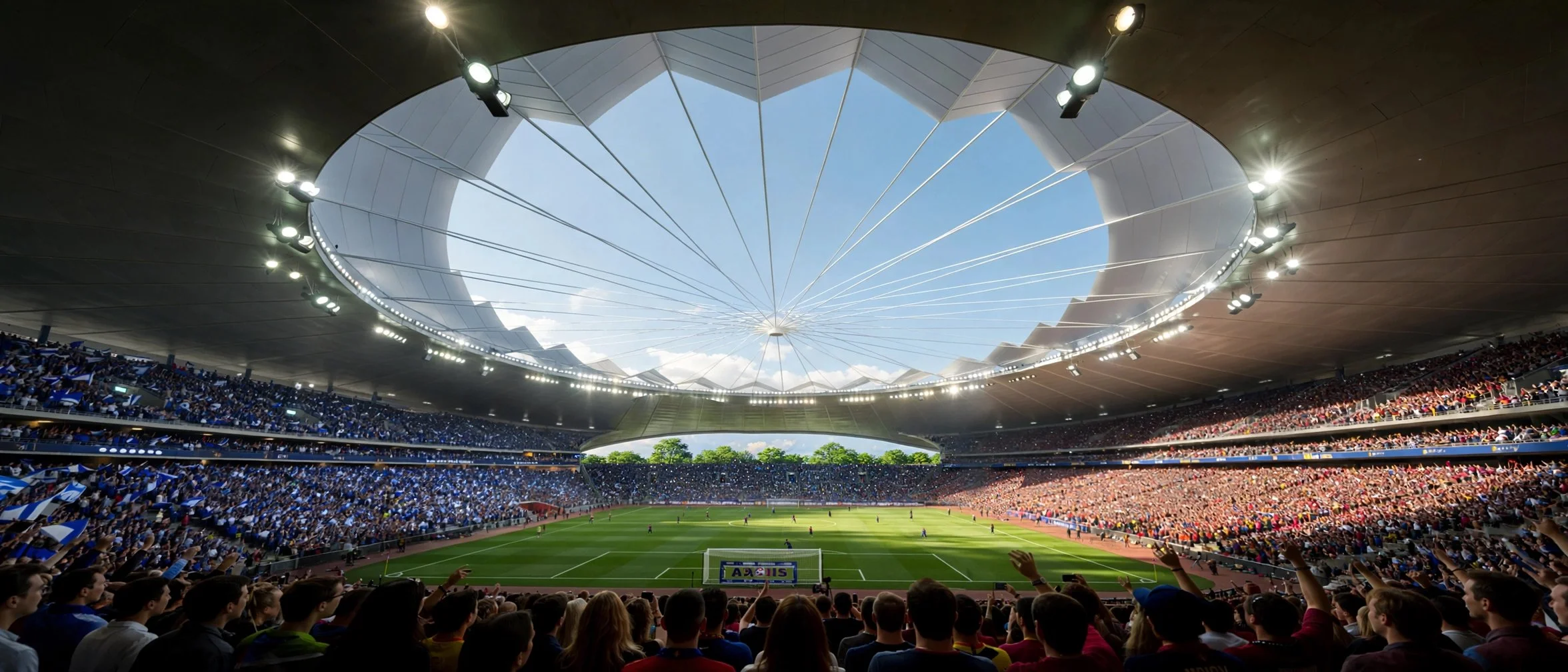
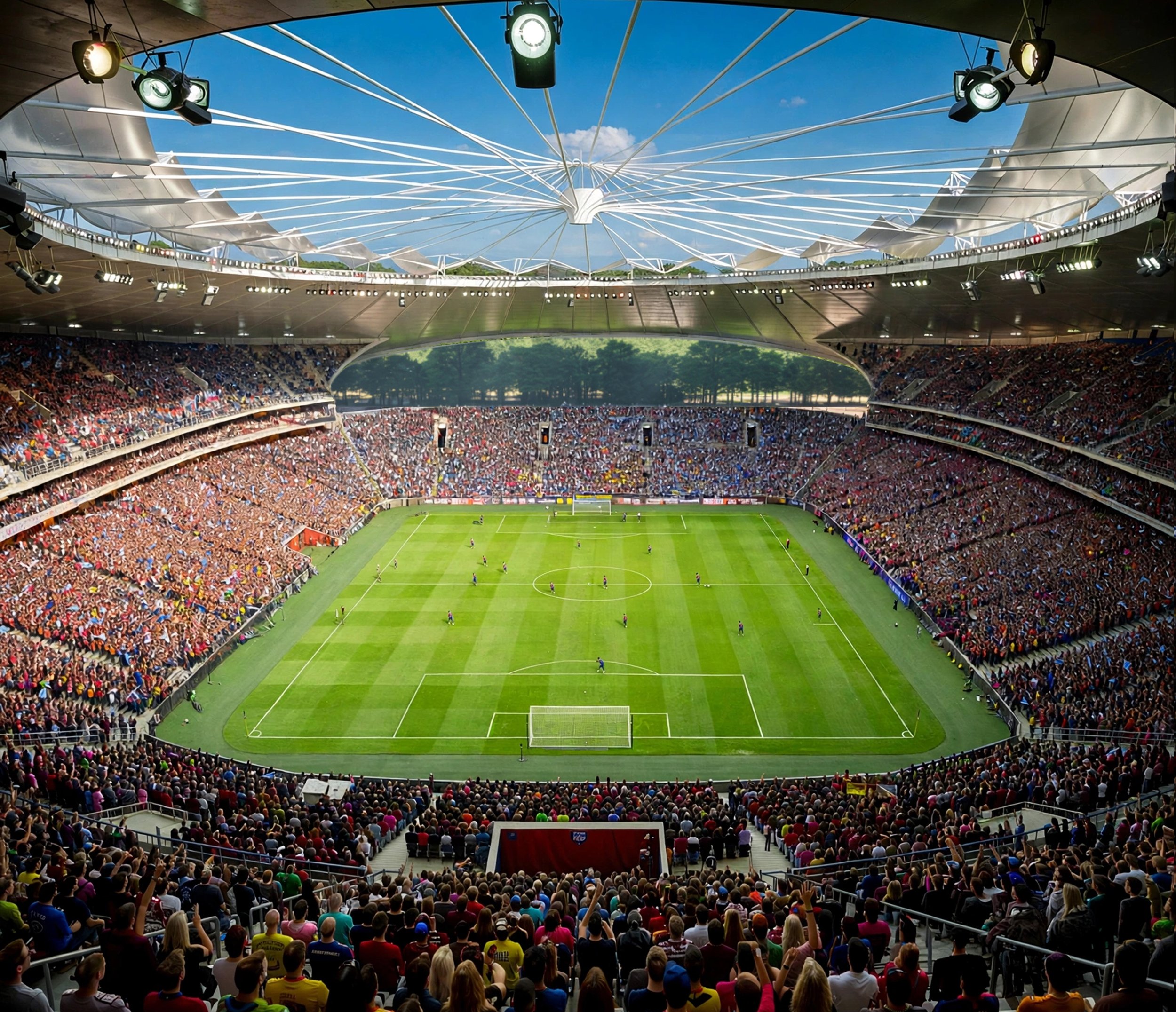
At the scale of the territory, the project becomes a new metropolitan landscape. At the scale of the visitor, it is defined by movement, views, thresholds and collective experience.
The project continues CBA’s broader investigation into how large public buildings can move beyond the logic of the isolated icon and instead become active instruments for transforming the city.